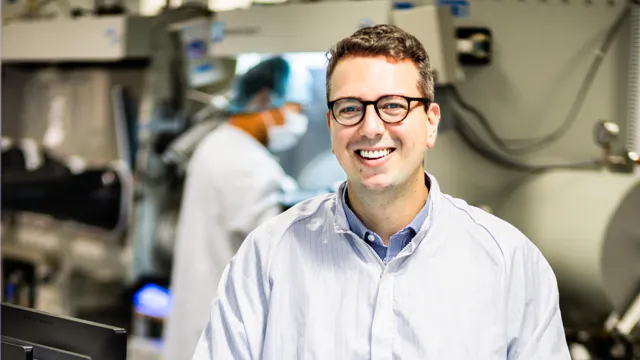
- To receive a grant from the Joanna Coccozzas stiftelse means a lot to me. It is a recognition of the work I have done on childhood cancer.
What does it mean for your research?
- The previous funding from the Joanna Coccozzas stiftelse resulted in a significant publication identifying a potential therapeutic target in childhood T-ALL (leukemia). I am confident that this new funding will also result in more ground-breaking advances.
What is your goal?
- Curing childhood cancer. My ultimate goal is that a childhood cancer diagnosis does not need to include the risk of death. More realistically, I hope to contribute to a better outcome for all children diagnosed with cancer during my lifetime, says Colm Nestor.
What is the next step in the project you are currently working on?
- We want to understand how the genes we are born with contribute to cancer in children and in the long term if we can identify babies with a high risk of cancer from birth whom we then can screen regularly for early detection of cancer.
Is it special in some way to work with research connected to pediatric medicine?
- As a father of three small children, I cannot imagine the fear and pain of a cancer diagnosis in a child. This makes childhood cancer research more rewarding and urgent for me.
What is your favorite spare time activity?
- Playing football, watching football, and coaching the local kids football team.
Colm Nestor is very grateful for the support from the Joanna Coccozzas stiftelse:
- I would like to add my sincere thanks to the Coccozza family for their generosity and assure them that the research funding I receive will be used to drive world-leading and clinically relevant childhood cancer research.